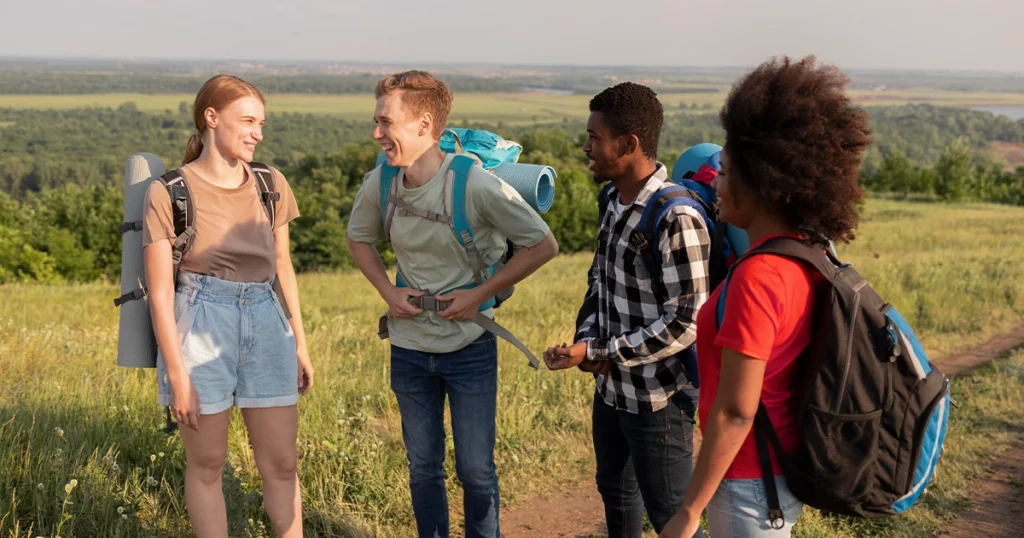
Many people assume field trips are only for younger students, and while they do happen at all grade levels, their frequency changes over time. So, do high schools have field trips? Yes, but high school field trips are typically less frequent than those in elementary or middle school.
When they do occur, a high school field trip is usually more purposeful and structured, focusing on academics, career exploration, or college readiness rather than general discovery. These experiences are designed to add real-world context to classroom learning and help students prepare for what comes next.
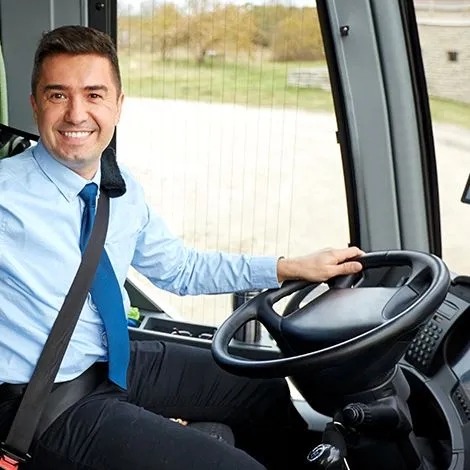
If you are searching for “field trip transportation in Austin,” Brilliant Charters offers over 35 years of experience, delivering safe, reliable, and stress-free transportation for high school field trips.
Call Now to Book Your Field Trip: (512) 402-3264
Why High Schools Have a Lack Of Field Trips
High school field trips tend to be less frequent for several practical and academic reasons. As students get older, schools place a stronger emphasis on classroom instruction and long-term goals, which naturally limits time for off-campus learning. Here are the main reasons why high schools have a lack of field trips:
1. Limited School Budgets
Many high schools operate under tight financial constraints, making it difficult to allocate funds for field trips. With budgets often prioritized for academics, staffing, and essential resources, off-campus learning experiences are reduced or eliminated. Transportation, admission fees, and supervision costs can add up quickly, causing schools to limit how often high school field trips are planned.
2. Academic Pressure and Testing
High school students face graduation requirements, standardized testing, and college preparation, leaving less flexibility in the academic schedule.
3. Tighter Class Schedules
Unlike elementary schools, high school students follow different class schedules and electives, making it harder to organize one trip that works for everyone.
4. Increased Curriculum Depth
High school courses cover more advanced and detailed material, so teachers often prioritize in-depth classroom instruction over frequent outings.
5. Safety and Liability Concerns
Older students are given more independence, which can increase liability and supervision challenges during off-campus activities.
6. Budget and Transportation Constraints
Field trips for high school often involve longer distances or specialized destinations, increasing transportation and overall costs.
7. Focus on Career and College Readiness
When high school field trips do happen, they are usually fewer but more purposeful, centered on career exposure, college visits, or subject-specific learning rather than general exploration.
In conclusion, high schools don’t avoid field trips entirely—they simply use them more strategically. The focus shifts from frequent outings to meaningful experiences that directly support academic and future career goals.
Why High School Field Trips Still Matter
Even though high school field trips are less frequent, they play a crucial role in a student’s educational journey. These experiences allow students to apply classroom knowledge to real-world situations, making learning more meaningful and memorable.
Field trips also expose students to career paths, college environments, and industries they may not encounter otherwise. By stepping outside the classroom, students gain practical insights, build confidence, and develop skills that support both academic success and future planning.
Trusted Field Trip Transportation by Brilliant Charters
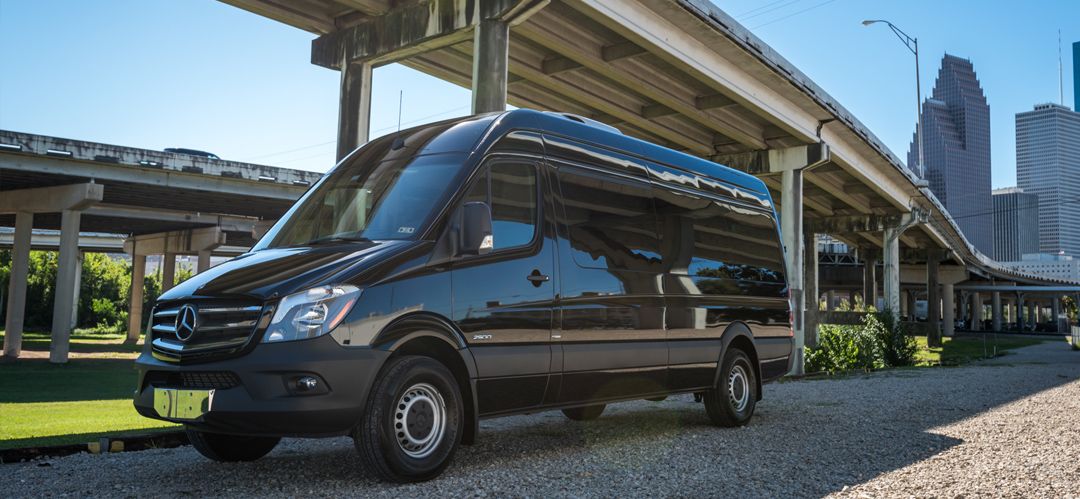
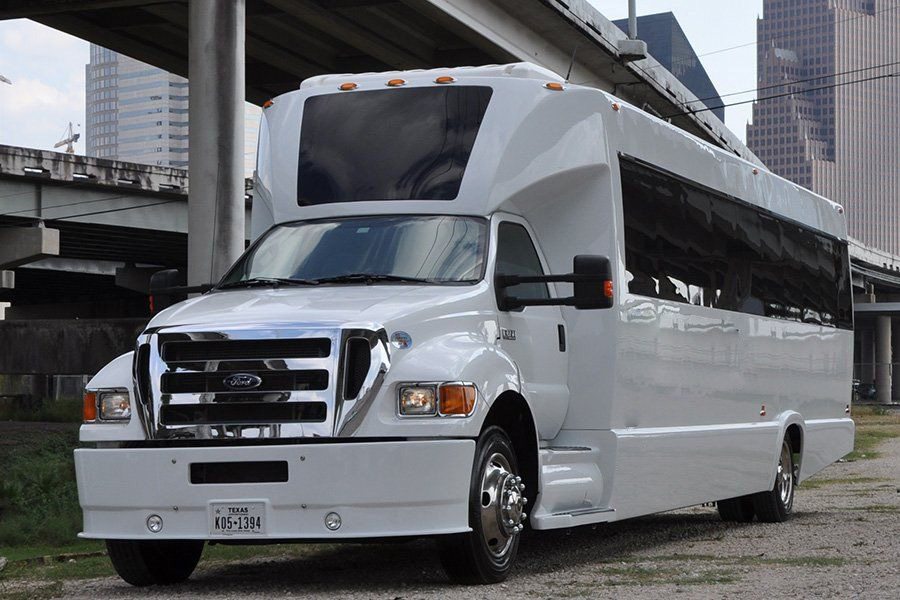
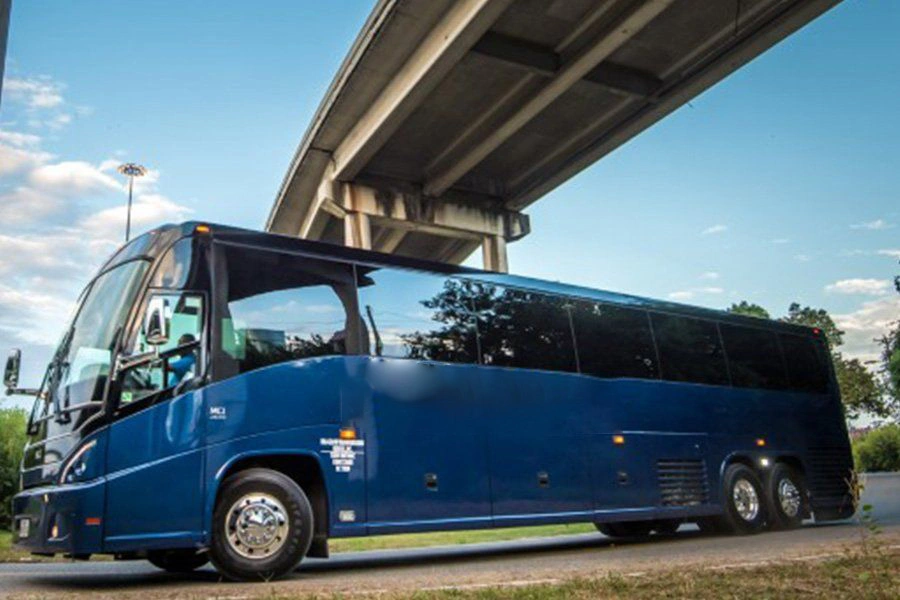
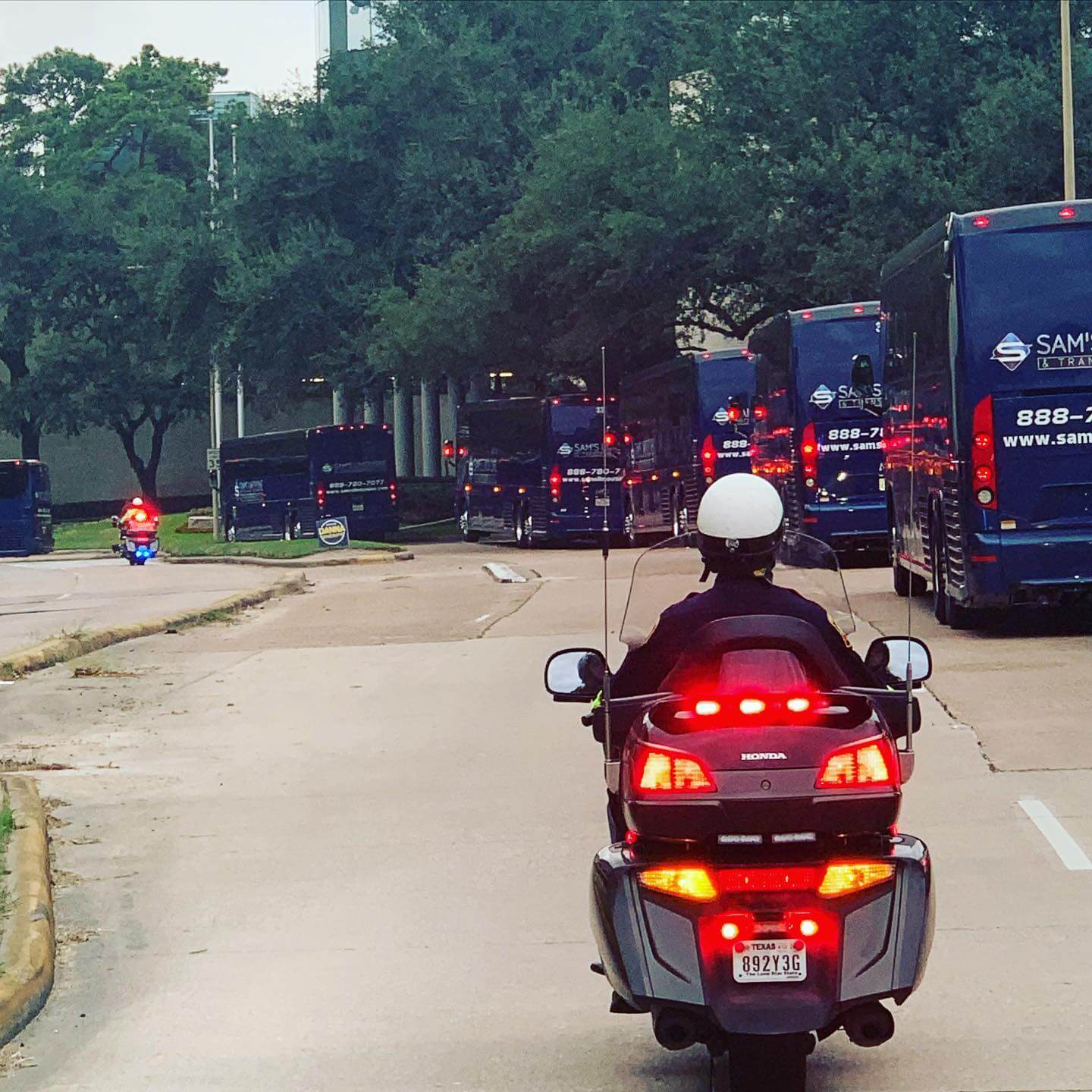
Even though high school field trips may be less frequent, the right transportation partner can make every trip smooth, safe, and cost-effective. Brilliant Charters specializes in reliable field trip transportation services designed for schools, offering professional drivers, well-maintained vehicles, and flexible scheduling to fit academic needs and budgets. With Brilliant Charters handling the logistics, schools can focus on what matters most—creating meaningful learning experiences beyond the classroom.